Support women through natural and treatment-induced menopause to identify and address occupational disruption and its impact on daily function, participation, and quality of life. Using a client-centred approach, I consider the physical, cognitive, emotional, social, and environmental factors influencing each woman, applying the six pillars of non-pharmacological medicine (healthy eating, physical activity, mental health well-being, avoidance of risky substances, restorative sleep, social connections) to restore balance, engagement, and meaningful engagement in daily life roles.
Menopause is more than a change in hormones; it can affect how you think, feel, sleep, work and manage everyday life.
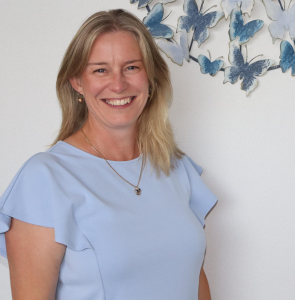
I’m an AHPRA-registered Occupational Therapist with additional training in menopause support and over 25 years’ experience in OT, including neurological rehabilitation and complex health conditions. I support women through perimenopause, menopause and post-menopause, including medically induced menopause, when symptoms begin to affect everyday life.
I look beyond individual symptoms to understand how menopause is affecting your life as a whole. This may include brain fog, memory and concentration difficulties, fatigue and burnout, disrupted sleep, changes in mood and motivation, reduced capacity, continence concerns, or difficulty keeping up with work, family and everyday responsibilities.
My neurological OT experience brings a particular focus on cognition, fatigue, energy management, movement and adapting everyday activities when capacity changes. Together, we explore practical strategies around routines, pacing, sleep, cognitive demands and managing competing responsibilities, tailored to your circumstances and what matters to you.
I also recognise that ADHD or autistic traits, chronic health conditions, previous cancer treatment, stress and caring responsibilities can intersect with menopause and influence how symptoms are experienced.
My aim is to help you understand what is happening, make sense of the changes you’re experiencing, and find practical ways forward without simply adding another list of things to do.
Support women through natural and treatment-induced menopause to identify and address occupational disruption and its impact on daily function, participation, and quality of life. Using a client-centred approach, I consider the physical, cognitive, emotional, social, and environmental factors influencing each woman, applying the six pillars of non-pharmacological medicine (healthy eating, physical activity, mental health well-being, avoidance of risky substances, restorative sleep, social connections) to restore balance, engagement, and meaningful engagement in daily life roles.